
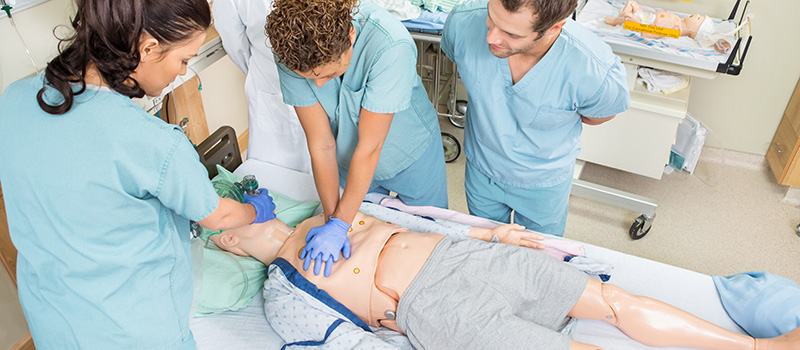
Academia to Bedside is a four-part series that focuses on the transition of nursing students from education to their professional role. Part 3 focuses on the role of the Nurse Educator using technology (simulation) to
Category: Simulation

What were your biggest takeaways from the project that explored the use of simulation for high-stakes assessment?What were your biggest takeaways from the project that explored the use of simulation for high-stakes assessment?
By: Mary Anne Rizzolo We learned a great deal about how to design simulations that can be used for assessment and we developed guidelines for ensuring that they are implemented as consistently as possible, but

Implementing the Standards of Best Practice: SimulationImplementing the Standards of Best Practice: Simulation
By: Tonya Schneidereith and Sabrina Beroz The International Nursing Association for Clinical Simulation and Learning (INACSL) conference this year was enormous, with many thrilling presentations addressing the various aspects of the Standards of Best Practice:

Moving from Disease-Based to Concept-Based SimulationsMoving from Disease-Based to Concept-Based Simulations
By: Alaina Herrington and Tonya Schneidereith How does one define curricular integration of simulation? The number of answers to this question will most likely equal the number of people asked…especially since there are countless ways

Tips for Successful IPE There’s No ‘I’ in Team: Interprofessional Teams Succeed.Tips for Successful IPE There’s No ‘I’ in Team: Interprofessional Teams Succeed.
IPE Simulation Series is a three-part series that focuses on using Simulation in the classroom and in practice. Part 1 focuses on “Tips for Successful IPE”. By: Judy Murphy and Melanie Cason Interprofessional education and

Academia to Bedside: Does Simulation Accelerate Progression from Novice to Expert? Part 2Academia to Bedside: Does Simulation Accelerate Progression from Novice to Expert? Part 2
Academia to Bedside is a four-part series that focuses on the transition of nursing students from education to their professional role. Part 2 focuses on the role of simulation in accelerating novice nurses to experts.

Simulation Center Finances: Calculating Fees and CostsSimulation Center Finances: Calculating Fees and Costs
By: Alaina Herrington Freestanding simulation centers total an estimated $200,000 to $1.6 million for start-up costs and at least $15,000 for annual maintenance (Tuoriniemi & Schott-Baer, 2008). This enormous cost can leave organizations looking for
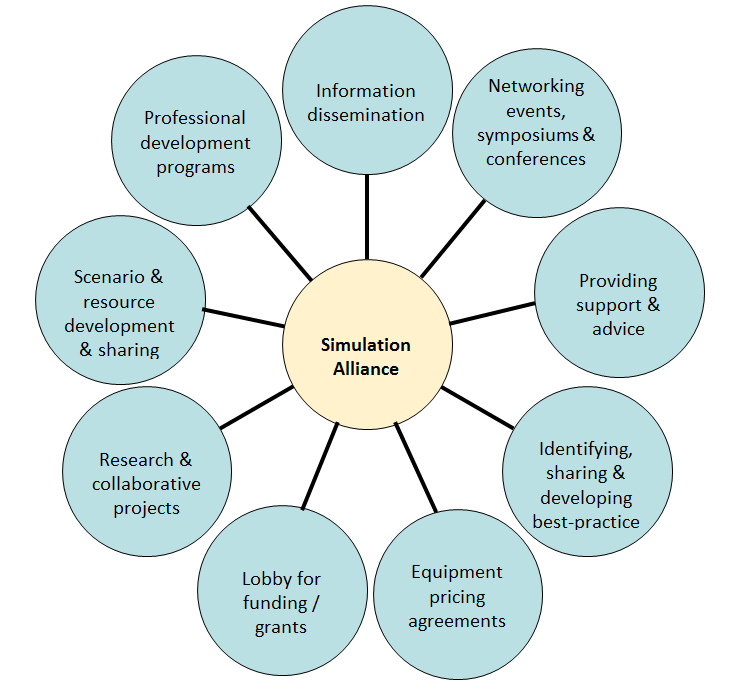
WHAT’S IN A NAME? DEVELOPING A SUSTAINABLE ALLIANCE/CONSORTIUM FOR SAFE, COMPETENT PRACTICE: PART 2WHAT’S IN A NAME? DEVELOPING A SUSTAINABLE ALLIANCE/CONSORTIUM FOR SAFE, COMPETENT PRACTICE: PART 2
The following NLNTEQ Blog submission is Part 2 of a 2-part series on developing simulation consortia. Part 1 was published in March. Guest Bloggers: Dr. KT Waxman Following are 10 steps to consider when building

Henry Henao – NLN Simulation EducatorHenry Henao – NLN Simulation Educator
1. What are the significant milestones in your work as an NLN Simulation Educator? (If you have a new program or feature in the work that you do, share it here) Since completing the NLN

Are Your In Situ Simulations Meaningful for All?Are Your In Situ Simulations Meaningful for All?
By: Melanie Cason Many in situ simulation experiences in medical facilities involve the deterioration of the patient into a cardio-pulmonary arrest. But mock codes have the reputation of being just that – mock. Usually a
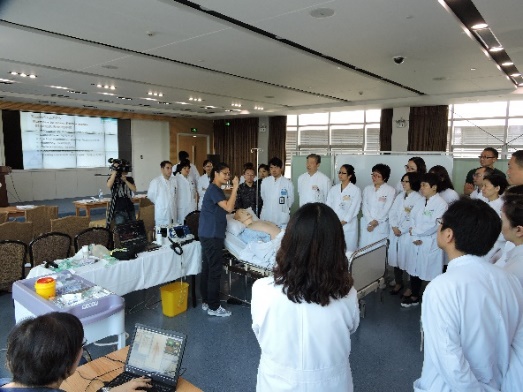
Mentoring Each Other: The Faculty Journey In Simulation-Based EducationMentoring Each Other: The Faculty Journey In Simulation-Based Education
By: Sabrina Koh Faculty development and education leadership are areas that require focus and continuous growth. In Asia, where simulation-based education (SBE) is emerging as a subspecialty in nursing education, it is often assumed that

What’s in a Name? Developing a Sustainable Alliance/Consortium for Safe, Competent Practice: Part 1What’s in a Name? Developing a Sustainable Alliance/Consortium for Safe, Competent Practice: Part 1
By: Sabrina Beroz and Beth Hallmark Alliances and consortiums are popping up frequently to bridge the needs of growing simulation networks. They can be found in states including Arizona, California, and Florida. What do they

Transforming an Excellent Face-To-Face Program into an Exemplary Hybrid CourseTransforming an Excellent Face-To-Face Program into an Exemplary Hybrid Course
By: Sabrina Beroz WHAT? I have to transform a simulation education program from three days of face-to-face to a hybrid course. How do I change a highly interactive classroom into an engaging online presence? Well,

Curriculum Alignment: The Why, The What, The HowCurriculum Alignment: The Why, The What, The How
By: Tonya Schneidereith and Sabrina Beroz Historically, nursing education has included clinical rotations where students care for patients in the clinical setting. This gives students an opportunity to apply theory, to develop critical thinking skills,

Virtual Simulation and Electronic Medical Records: Can We Work Smarter, Not Harder? Lessons LearnedVirtual Simulation and Electronic Medical Records: Can We Work Smarter, Not Harder? Lessons Learned
By: Beth Hallmark The IOM has challenged health care to examine systems and human factors that impact the safety and well-being of our patients. Informatics is one way nurses and caregivers can work together more