

By: Alaina Herrington and Julie Poore The International Nursing Association for Clinical Simulation and Learning (INACSL) conference is mind-blowing. With so many simulation experts in one place, ideas are everywhere. The first time we attended
Category: Simulation
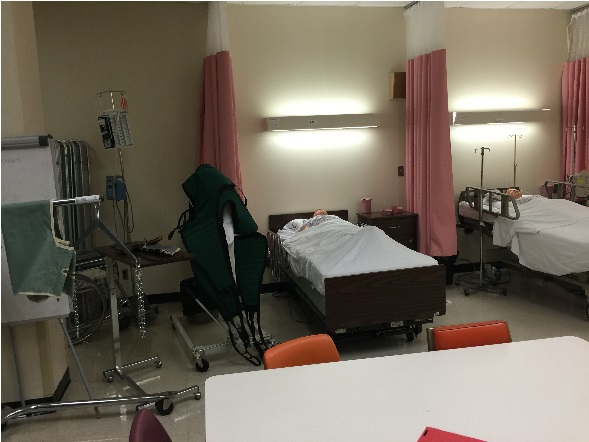
Hints for Starting a New Sim Lab or Jump-Starting an Old OneHints for Starting a New Sim Lab or Jump-Starting an Old One
By: Alaina Herrington and Rebecca Cockrell Starting a new simulation center can be overwhelming to say the least. Below are some of the lessons we learned from establishing a new simulation lab: Get administrative buy-in.
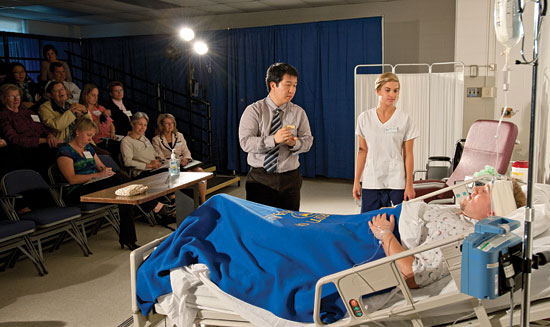
Using Theater Students as Standardized Patients: What Works and What Doesn’tUsing Theater Students as Standardized Patients: What Works and What Doesn’t
By: Beth Hallmark The history of using a live person to portray a patient dates back to 1963, when Dr. Howard Barrows from the University of Southern California introduced a simulated patient to his neurology

How to: Using IPE Simulation to Satisfy Regulatory Requirements for Practice AssessmentHow to: Using IPE Simulation to Satisfy Regulatory Requirements for Practice Assessment
By: Cedar Wang As the benefits and efficacy of simulation training continue to grow, health care providers can expect to be engaged in this type of training not only in the academic setting, but throughout
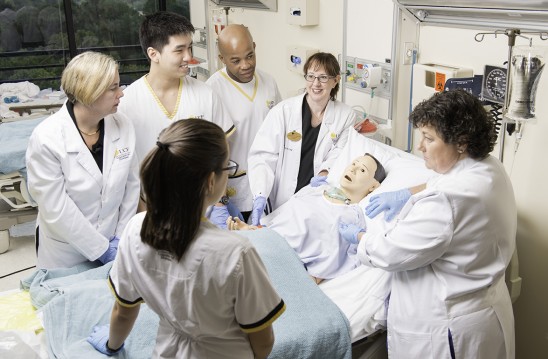
New Faculty Simulation OnboardingNew Faculty Simulation Onboarding
By: Alaina Herrington When I became a simulation coordinator, I had no prior simulation experience. Like most simulation novices, I dove into the literature and went to as many conferences as I could. My task

Coaching SPsCoaching SPs
By: Beth Hallmark and Cedar Wang Now that you have hired and scheduled the actor, coaching a standardized patient (SP) on his/her role is essential to ensure a safe, productive educational outcome for all involved.

Working Smarter: The Logistics of Scheduling SPsWorking Smarter: The Logistics of Scheduling SPs
By: Beth Hallmark and Cedar Wang As we continue our conversation about standardized patients (SPs), there are many logistical details to consider. This blog shares suggestions for scheduling, including the pros and cons of two

Simulation Development for Moderate Sedation—A TeamSTEPPS ApproachSimulation Development for Moderate Sedation—A TeamSTEPPS Approach
By: Melanie Cason Interdisciplinary education (IPE) in a busy medical center can also be an education in coordination and “herding cats.” Beyond the mock codes that prevail, specialty departments require special consideration in simulation design

Ask the Expert: Visioning of Simulation in Nursing EducationAsk the Expert: Visioning of Simulation in Nursing Education
By: Dr. Pamela Jeffries In her responses to the questions that follow, Dr. Pamela Jeffries shares her insights and leadership accomplishments in simulation in nursing education with NLNTEQ. 1. What are the significant milestones in

Build Your Case for Simulation EquipmentBuild Your Case for Simulation Equipment
By: Sabrina Beroz In a relatively short period of time, technology has changed the world. Technology is everywhere. We have computers, smartphones, tablets, and cloud computing. Simulation-based education using high-fidelity manikins has been integrated into

Try This: Using Quick Response (QR) Codes in the Simulation LabTry This: Using Quick Response (QR) Codes in the Simulation Lab
By: Jean Ellen Zavertnik and Kristen Lawson While the newer simulation software allows the programmer to input media files to display lab values, x-rays, and video clips during a patient scenario, there are times when

Recruiting and Hiring SPsRecruiting and Hiring SPs
By Cedar Wang and Beth Hallmark In the famous words of Marvin Gaye, “Ain’t nothing like the real thing, baby.” When it comes to increasing the realism of simulation scenarios, there is nothing like replacing

It Has to Be Right … Teaching Debriefing to Nurse EducatorsIt Has to Be Right … Teaching Debriefing to Nurse Educators
By: Sabrina Beroz What we know: Debriefing is where learning happens in simulation-based education. It is a reflective process that takes place after the simulation experience. Reflection allows the learner to integrate new information into

The Value of Prebriefing and Debriefing for Interprofessional LearningThe Value of Prebriefing and Debriefing for Interprofessional Learning
IPE Simulation Series is a three-part series that focuses on using Simulation in the classroom and in practice. Part 2 focuses on “IPE Learning”. By: Judy Murphy General Information: Prebriefing Prebriefing is critical to a
Are You Using High-Stakes Assessment? Do You Have Intra/Interrater Reliability?Are You Using High-Stakes Assessment? Do You Have Intra/Interrater Reliability?
By: Jean Ellen Zavertnik and Ann Holland Is high-stakes assessment in simulation used in your program? By this we mean “an evaluation process associated with a simulation activity that has a major academic or educational